Ken Endo
Tokyo / Kyoto
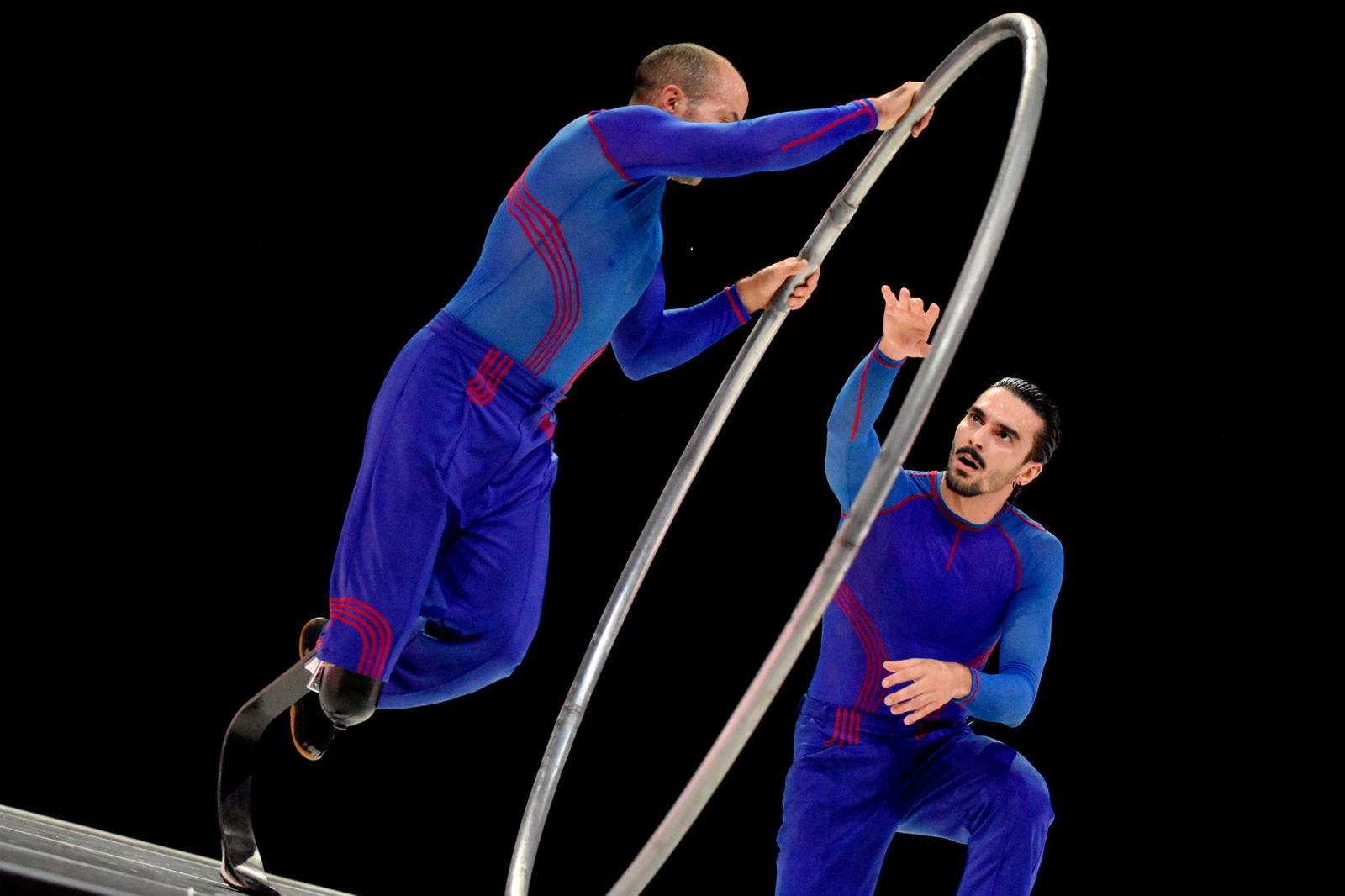
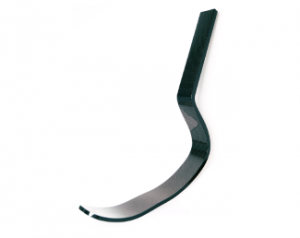 In the past, it was considered unthinkable that a disabled person could surpass the athletic performance of an able-bodied person. But in recent years, the gap has been gradually closing. Of course the ability of the individual athletes is a factor, but technology advances have also played a major role.
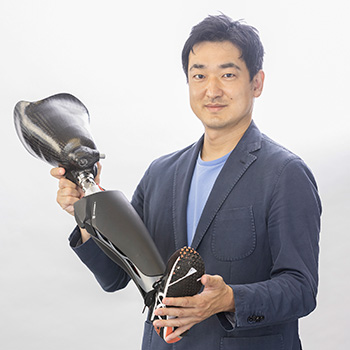
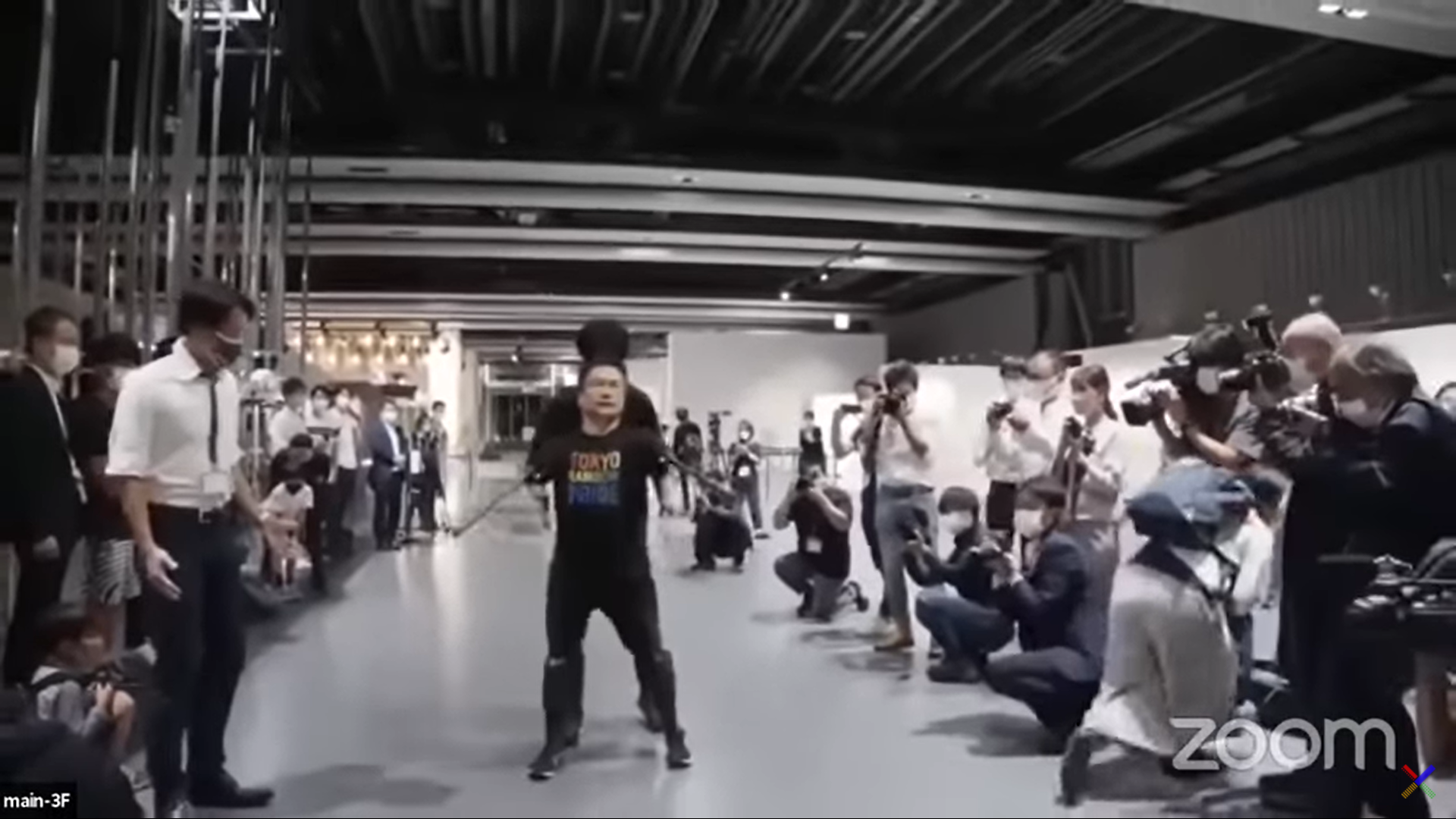
One of Ken Endo’s research projects at Sony CSL is a prosthetic leg for athletes. Applying the knowledge of biomechanics obtained in his work on robotic legs, Endo aims to have this prosthesis for athletes ready in time for the 2020 Paralympics.
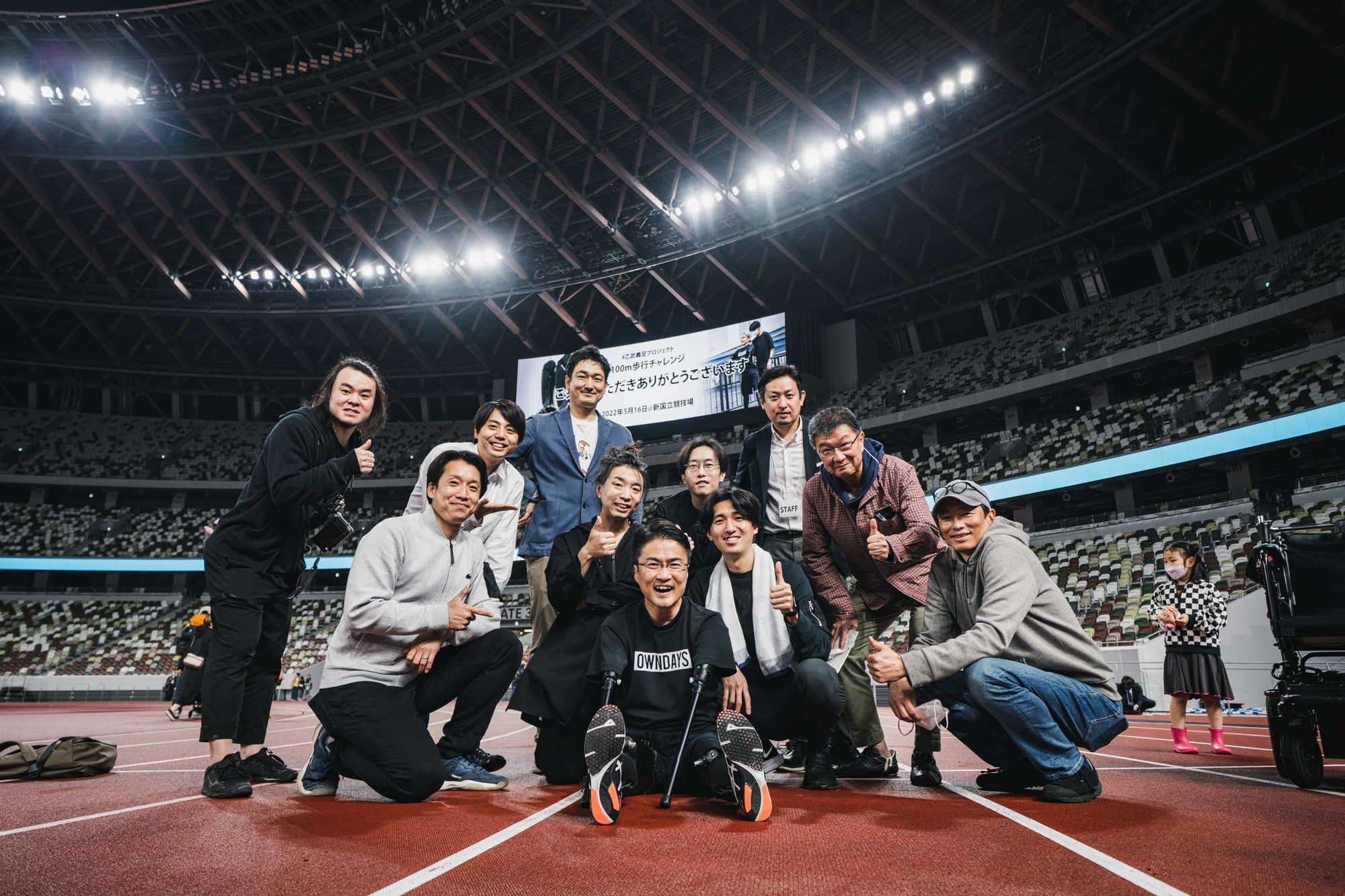
In 2014 Endo and former track and field athlete Dai Tamesue founded a company called Xiborg to train athletes in the use of this prosthetic leg. Their objective is the 100-meter dash. If they can help disabled athletes achieve faster times than able-bodied ones, it would transform how the world sees disabled people, Endo believes. That vision fuels him as he continues to pursue this research.
WEB site (Xiborg)
Tokyo / Kyoto
Latest interface for “intuitive” device connections
Accelerating Human Reaction Using Electrical Muscle Stimulation Without Compromising Agency
A system that allows human to experience the perceptual world of nonhuman species
Synecoculture that overcomes the trade-off between productivity and environmental damage
A Wi-Fi based positioning system
Synecoculture Principles Learning Kit
Synecoculture that overcomes the trade-off between productivity and environmental damage
"If you want to accomplish in your life, one thing that would contribute to the future of humanity - what is that?" How do researchers at Sony CSL reflect on these questions and engage with their own research? And what kind of place is Sony Computer Science Laboratories, shaped by such individuals? Through the words of the researchers themselves, we hope to share part of that perspective.
-1.png)